











Eat, drink, and be hoppy, Easter is coming! The Easter bunny, the holiday’s folklore figure, leaves colorful eggs filled with goodies for every child to find. Originating from Germany, this childhood symbol represents the history and morals surrounding Easter.
Bunny Background
The Easter bunny, initially called Osterhase, emerged from Germany with its first mention in a text from 1678. Wikipedia found that Osterhase served as a judge for children, who decided their goodness. Children would then make a bird nest for the hare to leave eggs, candy, and toys the night before Easter, similar to Santa Claus.
German mythology, Deutsche Mythologie, states the hare as the sacred animal of the goddess Eostre. Chase Oaks Church notes, she is known to provide fertility, spring and life: consistent with modern ideas of Easter. Wikipedia explains the legend of the goddess, freeing a frozen bird by turning it into a hare. The hare continued to lay eggs for Eostre as an act of appreciation but she had no use for them. The eggs were then given away during the spring season to represent new life.
Time Magazine claims that the Easter Bunny arrived in America in the 1700’s with German immigrants moving to Pennsylvania for religious freedom. The common traditions began to spread and adapt to fit American customs. New candies, like chocolate, were introduced for the hare to bring, along with homemade baskets instead of nests. Children even began leaving carrots out for the hare to enjoy after his long trip across the world
The Eggs
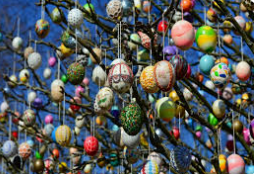
Easter eggs had been a constant symbol throughout the Christian holiday years before the Easter bunny came into play. Chase Oaks Church recognized that eggs symbolized the sealed tomb of Jesus before it was cracked open, representing the resurrection. During the days leading up to Easter, known as Lent, followers were prohibited to eat eggs and meat. People began to save their eggs for Easter Day to break their fast.
Current Day
Nowadays the Easter Bunny decorates and hides the eggs for children to find on Easter Sunday. Although Families all over the world have their own Easter Bunny traditions, all ideas sprouted from spring and rebirth. It’s important to understand how different cultures can come together to mold a modern tradition. Whether you view the Easter bunny as a religious symbol or a fun character, know its history transcends how people view Easter.